
What Happens If You Don’t Clean Your Gutters? | Florida Homeowner Guide
Most homeowners don’t think much about their gutters until they start overflowing during a Florida rainstorm.
At first, it may seem harmless. A little water spilling over the edge during heavy rain doesn’t always feel like an emergency. But over time, neglected gutters can quietly create expensive problems around your roofline, siding, landscaping, and even your home’s foundation.
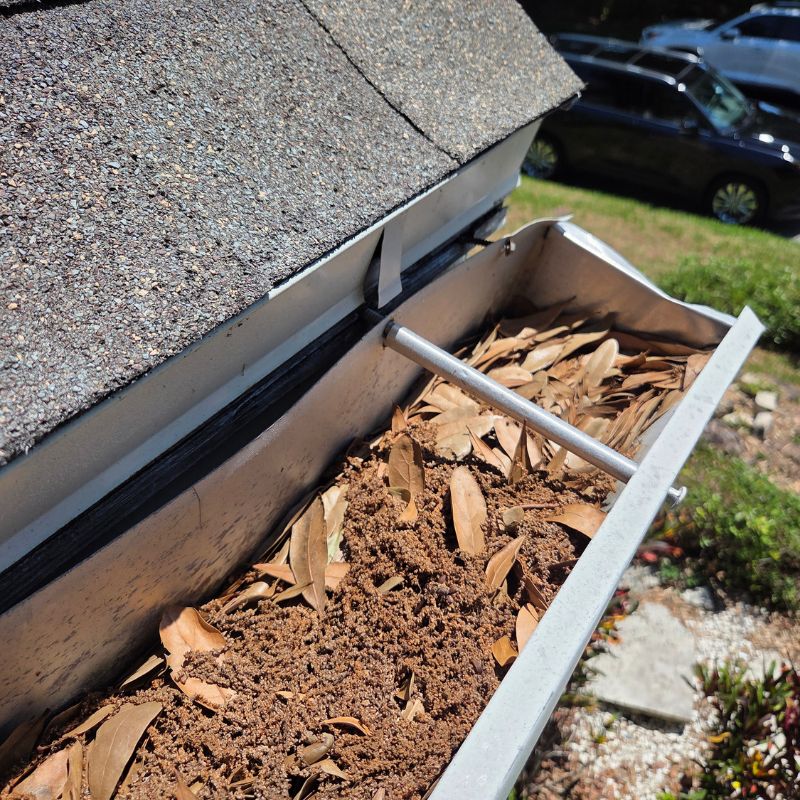
Here in Florida, gutters deal with more than just leaves. Oak debris, pine needles, palm fronds, roof grit, seed pods, weeds, and constant moisture can quickly build up inside the system. Once water stops flowing properly, the problems usually begin slowly — then suddenly become very noticeable.
If you’ve been putting off maintenance, here’s what can actually happen when gutters go too long without cleaning.
Overflowing Water During Rainstorms
One of the first signs of clogged gutters is water pouring over the edge instead of flowing through the downspouts.
In areas like Seminole and St. Petersburg, Florida storms can dump a large amount of rain in a short period of time. When gutters are packed with debris, they simply can’t move water fast enough.
Instead of being directed safely away from the home, rainwater spills over the front and sides of the gutter system. This overflow often lands directly against the fascia, soffits, landscaping, walkways, and exterior walls.
Homeowners sometimes assume the gutter system is too small when the real issue is simply blockage buildup.
Roof Edge Staining and Black Streaks
Roof edge staining is extremely common on Florida homes with neglected gutters.
When debris sits wet inside the gutter system for long periods of time, dirty water begins backing up underneath the roof edge. Over time, this creates dark streaking, staining, and discoloration around the fascia and drip edge.
You may notice:
black streaks near the gutter line
discoloration along roof edges
dirty overflow marks on siding
mildew buildup near corners
staining below overflowing sections
In many cases, homeowners think the roof itself is failing when it’s actually trapped moisture and dirty overflow water causing the issue.
The longer debris remains inside the gutters, the worse these stains usually become.
Gutters Can Start Growing Weeds
This surprises a lot of homeowners, but clogged gutters can eventually turn into miniature planters.
In Florida’s humid climate, wet debris creates the perfect environment for weeds and small plants to grow directly inside the gutter system. Once roots begin forming, the blockage becomes even heavier and harder for water to move through.
It’s not unusual for technicians to pull entire clusters of weeds, rooted grass, or thick organic buildup from neglected gutters.
The added weight also places stress on the gutter hangers and fasteners holding the system to the home.
Water Can Damage Fascia and Wood Trim
Your gutter system is designed to protect the roofline by directing water away from vulnerable wood areas.
When gutters overflow constantly, water begins soaking the fascia boards behind the gutters. Over time, this repeated exposure can lead to wood rot, soft spots, peeling paint, and deterioration around the roof edge.
This is especially common on homes surrounded by oak trees or heavy debris-producing landscaping.
The difficult part is that fascia damage often goes unnoticed until repairs are needed. By the time visible rot appears, moisture may have already been affecting the wood for quite a while.
Preventative maintenance is usually far less expensive than repairing damaged fascia and trim later on.
Clogged Gutters Attract More Pests
Standing water and damp debris create an environment pests love.
Mosquitoes, ants, roaches, and other insects are often drawn to clogged gutter systems. In some situations, birds may also begin nesting in heavily packed debris.
When water sits trapped for extended periods, gutters essentially become a damp breeding area attached directly to your home.
Florida’s warm climate only accelerates the issue.
Keeping gutters clear helps reduce excess moisture buildup and eliminates one more place pests can settle around the property.
Landscaping and Soil Washout
Overflowing gutters don’t just affect the home itself.
When water repeatedly spills over the same sections, it can begin washing out mulch beds, flower beds, grass areas, and soil around the home.
Many homeowners first notice this problem after seeing:
trenches forming below gutters
mulch constantly displaced
muddy splash marks near exterior walls
pooling water near landscaping
dead grass from excessive runoff
Properly flowing gutters help control where rainwater exits the system, protecting both the home and the landscaping around it.
Heavy Debris Can Pull Gutters Loose
Debris buildup becomes surprisingly heavy once saturated with water.
Wet oak leaves, roof grit, weeds, and palm debris can place major strain on the gutter system over time. As weight increases, gutters may begin separating from the fascia or sagging in certain areas.
Loose fasteners and failing hangers are common warning signs.
Many homeowners don’t notice the problem until they see:
gutters pulling away from the roofline
visible sagging sections
standing water trapped inside
corners separating
improper drainage during storms
Ignoring these early signs can eventually lead to partial gutter failure or expensive repairs.
Florida Storm Season Makes Problems Worse
Florida weather doesn’t give clogged gutters much room for error.
A gutter system that seems “mostly okay” during light rain can suddenly overflow badly during summer storms or tropical weather. Once intense rainfall hits, even partially clogged gutters can struggle to keep up.
This is one reason preventative cleaning matters so much in Florida compared to some other parts of the country.
The combination of:
heavy rain
humidity
fast debris buildup
frequent storms
year-round vegetation
means gutters often need more attention than homeowners expect.
For many homes in Pinellas County, regular maintenance helps prevent small drainage issues from turning into larger repair problems.
How Often Should Gutters Be Cleaned in Florida?
There’s no perfect one-size-fits-all answer because every property is different.
Homes surrounded by oak trees or heavy landscaping may need more frequent cleaning than homes with minimal debris exposure.
In general, Florida homeowners should pay attention to:
nearby tree coverage
storm activity
visible overflow
roof staining
debris buildup near downspouts
If you’re already seeing water spill over the edges during rain, your gutters are likely overdue for service.
The Biggest Problem With Neglected Gutters
The biggest issue with clogged gutters is that most damage happens gradually.
A homeowner may not notice roof edge staining, fascia moisture, or overflow patterns until the problem has already been developing for months. By then, what could have been solved with a routine cleaning may involve repairs instead.
Gutter maintenance is less about appearances and more about protecting how water moves around the home.
When the system flows correctly, rainwater is safely directed away from the roofline, siding, landscaping, and foundation areas. When debris blocks that flow, water starts finding its own path — and that’s usually where problems begin.
For Florida homeowners, especially in areas with heavy rain and tree coverage, preventative gutter cleaning is one of the simplest ways to help avoid larger exterior maintenance issues later on.
